In the high Himalayas, where the air is thin and the seasons are unforgiving, life moves with a quiet patience. Mornings begin before the sun reaches the valleys, and evenings arrive early with a cold that settles deep into the bones.
In these mountains, warmth is not a comfort, it is a necessity. Over centuries, nature has shaped materials that answer this need without excess. Among them is yak wool, a fiber born not from fashion, but from survival.
Yak wool does not announce itself. It does not shine loudly or chase trends. Its value lies in its calm resilience, shaped by altitude, weather, and the steady rhythm of Himalayan life. To understand this fiber is to understand the land that created it.
Life at High Altitudes
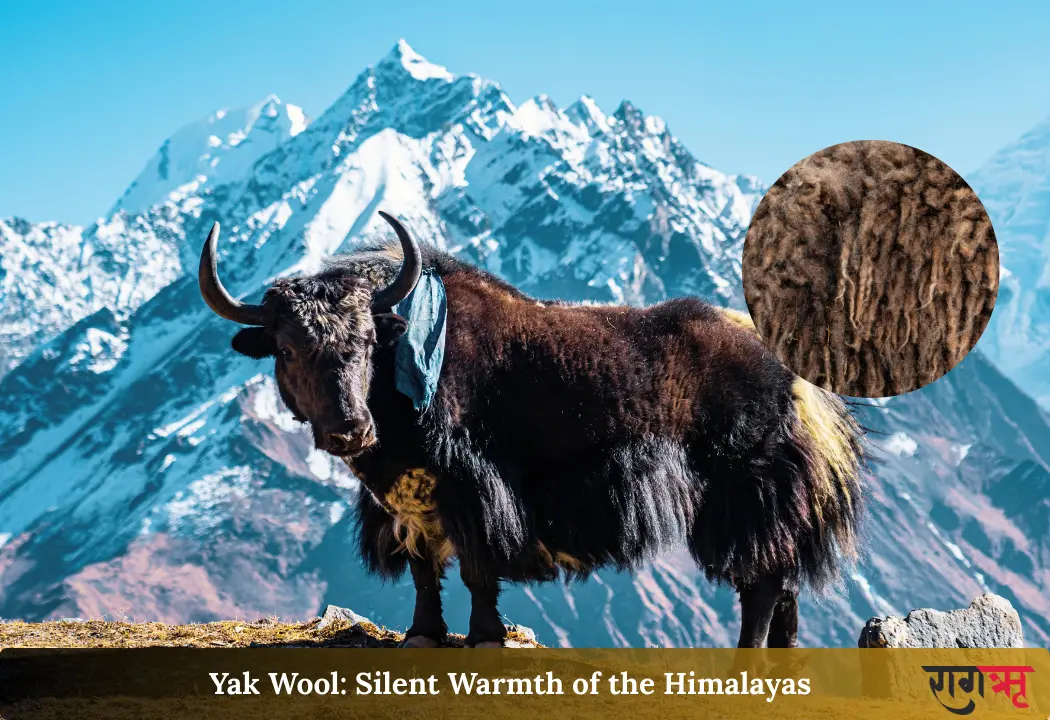
Above the tree line, where winters stretch long and the air grows thin, yak wool has supported Himalayan life for generations. Yaks are not treated as commodities here, but as companions within a shared ecosystem, helping carry goods, provide nourishment, and offer warmth where resources are limited.
The Himalayas are shaped by extremes. Fierce winds, heavy snowfall, and sharp shifts between day and night define daily life. To survive these conditions, yaks naturally grow a dense winter underlayer, often referred to as high-altitude wool, which protects them through the coldest months.
In these regions, life moves with restraint and care. Materials are used thoughtfully, guided by seasons rather than demand. This fiber emerges from a balance between people, animals, and land, a quiet response to an environment that allows no shortcuts.
Why Yak Wool Is Naturally Special
This material is shaped entirely by its surroundings. Without human intervention, the fiber develops properties that respond naturally to cold, wind, and altitude. Its warmth feels steady rather than heavy, offering insulation without trapping heat. This makes it especially suitable for harsh winters and fluctuating mountain temperatures.
One of its most appreciated qualities is softness. Compared to many coarse wools, Himalayan yak fiber feels smooth and comforting against the skin. This softness is not engineered; it is a natural result of how yaks adapt to survive severe winters. For this reason, textiles made from it are often suitable for sensitive skin and long hours of wear.
Functionally, the fiber is breathable, durable, and naturally insulating. It works well for daily winter wear, travel in cold regions, and layering during unpredictable weather. These practical benefits sit quietly beneath its calm surface.
Equally important is how naturally this material aligns with sustainable Himalayan fabric traditions. The fiber is collected in harmony with seasonal cycles, respecting both animal and environment. There is no urgency to produce more, no pressure to extract beyond what nature provides, only warmth without excess and softness without artifice.
Yak Wool in Himalayan Traditions
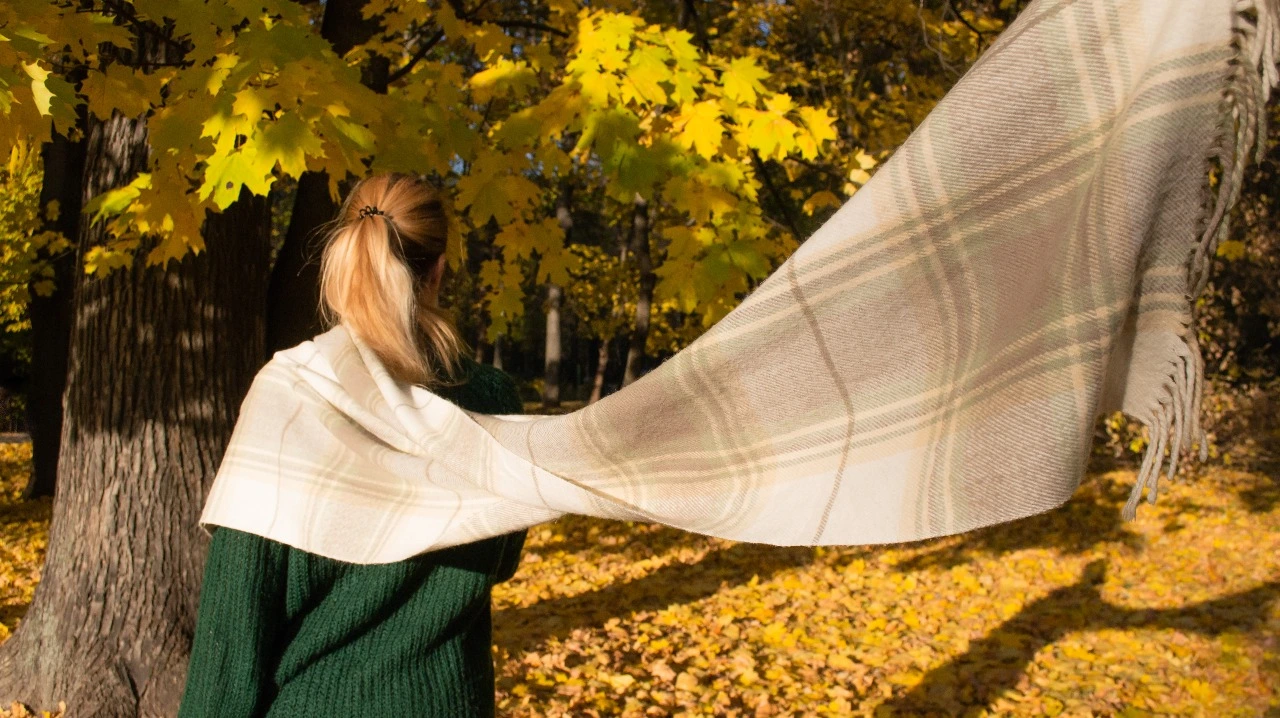
Across Himalayan regions, this fiber has long been part of everyday life. In Nepal and neighboring high-altitude areas, it has been spun, woven, and worn by communities who understand its value through lived experience. Shawls, wraps, and garments made from it are not symbols of luxury; they are tools of comfort and protection.
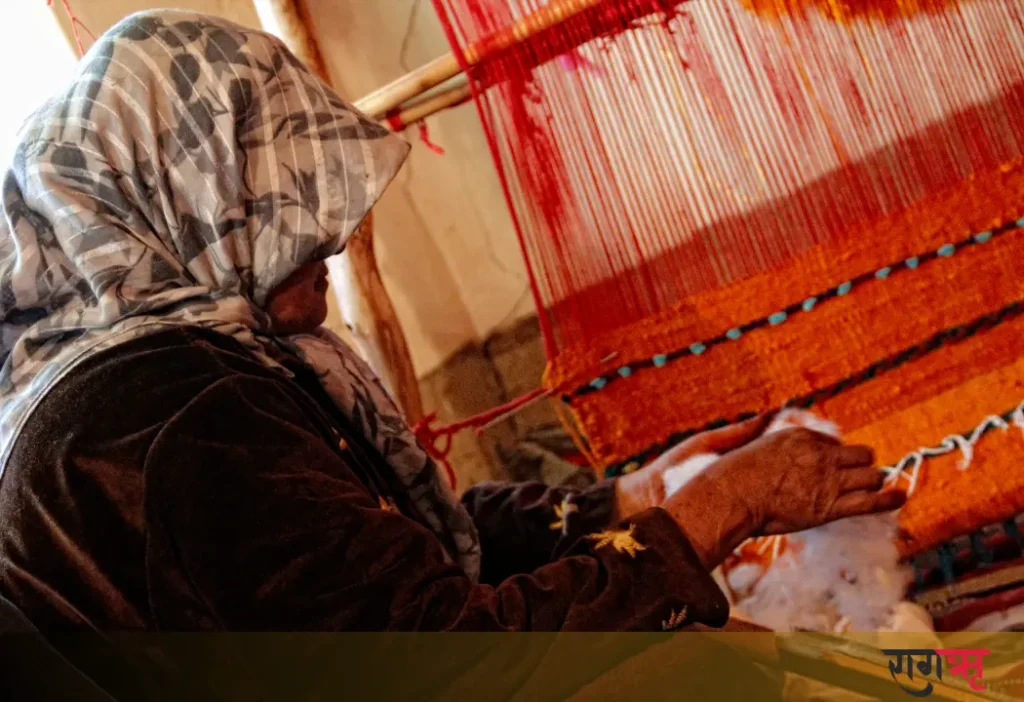
These traditions pass quietly from one generation to the next. Knowledge of when to collect the fiber, how to prepare it, and how to weave it is rooted in observation rather than written instruction. Each piece carries the patience of hands shaped by years of practice.
In this way, yak fiber textiles become more than objects. They are records of place and memory, reflecting a way of life that respects time, climate, and craft. Even as global interest in Himalayan materials grows, these traditions remain grounded in care, continuity, and respect.
The People Behind the Fiber
Behind every strand is a human story. Herders, families, and artisans live in close relationship with the land, shaping their lives around its limits. Days are guided by weather, altitude, and the needs of animals, fostering a deep understanding of balance.
For artisans, working with this material is not about constant innovation. It is about honoring what already exists. The process remains slow and deliberate, allowing the fiber to retain its natural character. In a world driven by speed, this patience becomes a quiet form of resistance.
To these communities, the material is not a luxury. It is familiar, reliable, and deeply connected to daily life. That perspective gives it meaning far beyond how it is labeled elsewhere.
A Quiet Legacy
Yak wool belongs to a lineage shaped by mountains rather than markets. Its beauty is understated, its presence subtle. It carries warmth not only in feel, but in the stories it holds, of high passes, long winters, and communities that have learned to live in harmony with their environment.
In the Himalayas, luxury has never meant excess. It has meant endurance, comfort, and respect for what the land provides. This fiber embodies that philosophy fully, silent, resilient, and deeply rooted.
Explore Raagari’s Himalayan yak wool creations, crafted for warmth, longevity, and quiet luxury.
Yak Wool vs Pashmina: Two Himalayan Fibers, Two Distinct Purposes
Both yak fiber and pashmina come from the Himalayas, yet they serve different needs. Pashmina is known for its extreme fineness and lightness, making it ideal for mild cold, elegance, and layering in transitional seasons.
Yak wool, on the other hand, is heavier, warmer, and more robust. It is designed for harsher climates, long winters, and daily wear in cold regions. Where pashmina feels airy and delicate, this high-altitude wool offers grounded warmth and durability.
Together, they reflect two sides of Himalayan living, soft refinement and resilient protection, each shaped by the same mountains, yet answering different purposes.
Explore Raagari Everywhere — Shop, Follow & Stay Connected
FAQs
What is special about yak wool?
Yak wool is special because it is naturally warm, soft, and shaped by life in the high Himalayas. Grown to protect yaks from extreme cold, the fiber offers gentle warmth and comfort without heaviness. It is collected in harmony with nature, making it a quiet example of sustainable Himalayan fabric rooted in tradition rather than trend.
How is yak wool harvested?
Yak wool is gently collected by hand during the natural shedding season, respecting both the animal and the Himalayan environment.
What are the benefits of yak wool?
Yak wool offers natural warmth, soft comfort, and breathability, shaped by the Himalayan climate. It is durable, gentle on the skin, and reflects a sustainable way of living rooted in tradition.
Is yak wool suitable for everyday wear?
Yes. Its softness, breathability, and durability make it comfortable for regular winter wear, especially in cold or variable climates.
Does yak wool last longer than other wools?
Due to its strong natural fibers and minimal processing, yak wool is often more durable than many conventional wools, making it a long-lasting choice when properly cared for.