
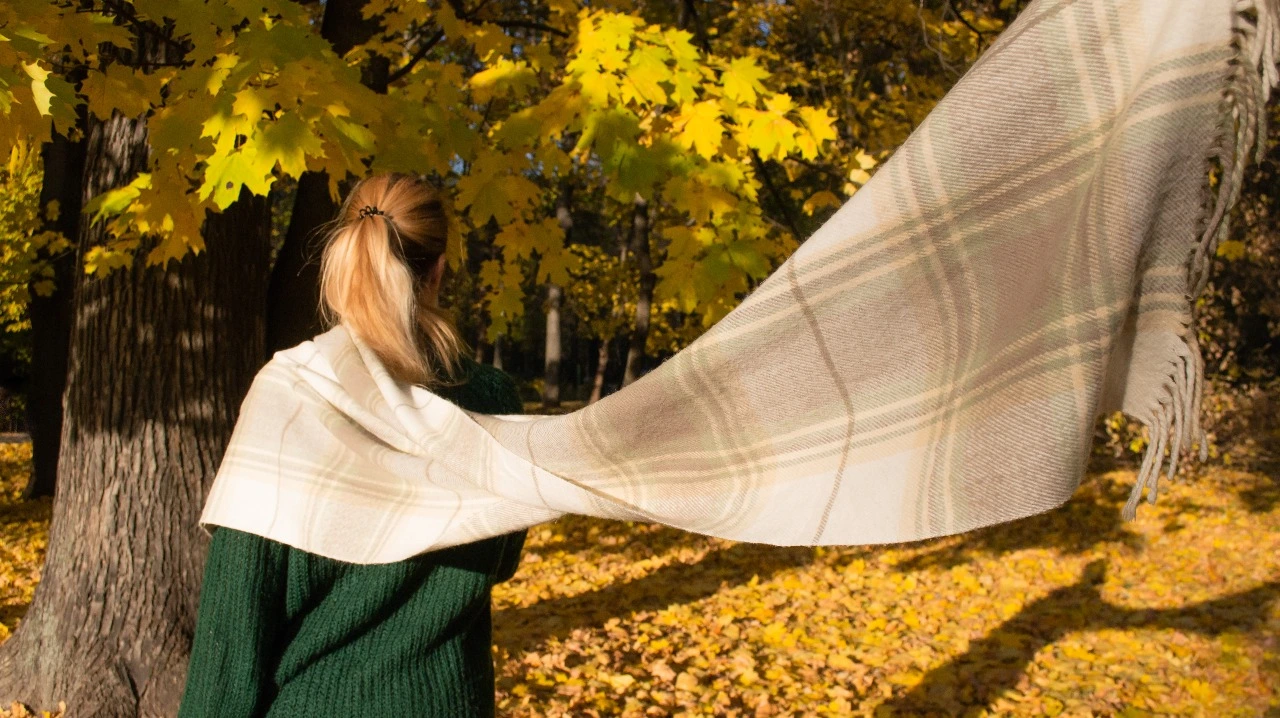
For centuries, whispers of luxury have surrounded two legendary fibers: Pashmina and Cashmere. But are they really the same, or does one hold the crown of softness and warmth? If you’re about to invest in timeless elegance, uncovering their secrets is a must.
Dive in to discover the story behind these regal wools and find out which one deserves your wardrobe.
Pashmina – Meaning, Origin, and Key Qualities
Pashmina refers to an ultra-fine wool collected from the Changthangi (Changra) goat found in the high-altitude Himalayan regions of Nepal, Ladakh, and Kashmir.
This wool is naturally soft, extremely thin, and warm, making it one of the most luxurious fibers in the world.

Important Highlights:
- Fiber thickness is between 12–16 microns
- Traditionally hand-spun and hand-woven
- Rare and limited in availability
- Exceptional warmth despite being lightweight
Because of its delicate nature, Pashmina cannot be machine-processed, which preserves the authenticity and artisanal value of every piece.
Looking for authentic Himalayan Pashmina? Explore our certified handcrafted collection at Raagari.
Cashmere – Meaning, Origin, and Key Qualities
Cashmere is a broader category of fine wool obtained from several breeds of cashmere goats across Nepal, Mongolia, China, India, and Afghanistan.
It is soft, warm, and luxurious, but slightly thicker than Pashmina, making it more durable and easier to weave using machines.
Important Highlights:
- Fiber thickness ranges up to 19 microns
- Available in both machine-made and handmade forms
- Wider color and style variety
- More accessible and produced in larger quantities
Cashmere offers luxury with practicality, making it suitable for buyers looking for softer wool at various price points.
Key Differences Between Pashmina and Cashmere
The main distinction is that all Pashmina is Cashmere, but not all Cashmere qualifies as Pashmina.
Pashmina is a rare and finer category within the larger cashmere family.
Difference in Fiber Quality
Pashmina fibers measure 12–16 microns, making them exceptionally soft, warm, and delicate.
Cashmere fibers, up to 19 microns, remain luxurious but are stronger and easier to machine-process.
Difference in Origin
Pashmina comes exclusively from the Himalayan Changthangi(Changra) goat.
Cashmere comes from multiple goat breeds found across several countries, making it more widely available.
Difference in Weaving
Pashmina must be hand-woven by skilled artisans due to its ultra-fine fibers.
Cashmere can be woven by hand or machine, allowing for large-scale production.
Difference in Availability
Pashmina is produced in limited quantities each year due to harsh Himalayan conditions. Cashmere has a wider supply chain and is available globally in many grades and qualities.
Why Pashmina Is More Expensive
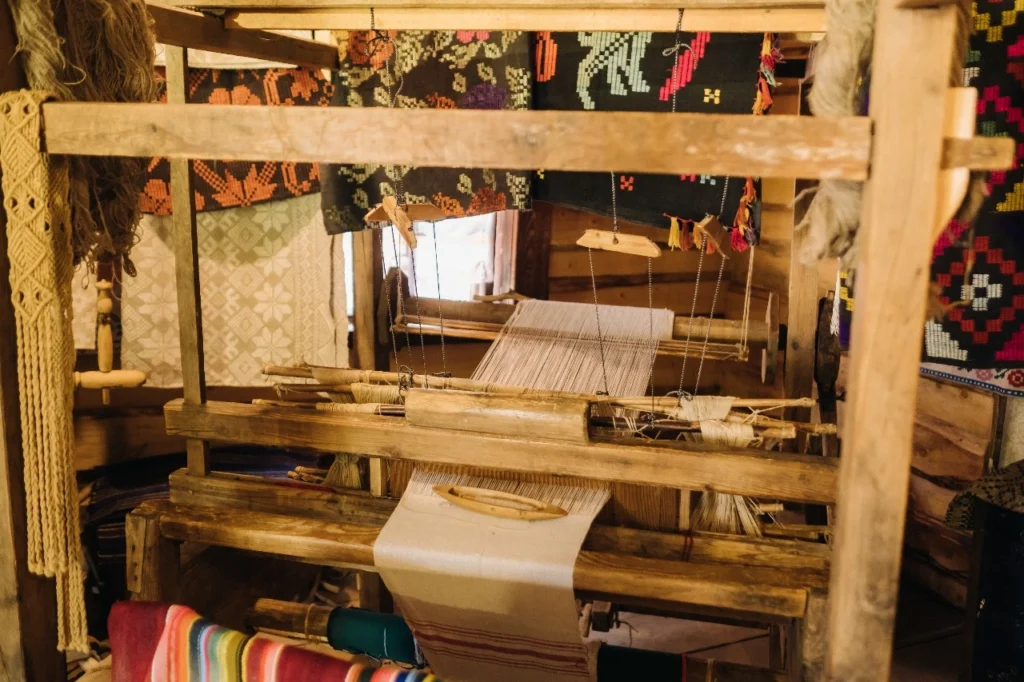
Pashmina is costlier because it is extremely rare, collected by hand, and crafted through a traditional weaving process that takes weeks for a single piece.
Its exceptional softness, delicate fibers, and cultural heritage add to its premium value.
Important Highlights:
- Limited production
- Highly time-consuming craftsmanship
- Finest-grade wool
- Exclusively handmade
These factors make Pashmina a true luxury textile.
Want to experience real premium Pashmina? Browse Raagari’s pure, artisan-made Pashmina shawls and scarves.
Is Pashmina the Same as Cashmere?
Pashmina and Cashmere come from the same family of fine wool, but they are not the same. Pashmina is a much finer and more delicate form, taken only from the Himalayan Changthangi goat and crafted entirely by hand, which makes it extremely soft and luxurious. Cashmere is slightly thicker, produced in larger quantities, and available in both machine-made and handmade forms, making it more durable and more widely accessible. Because of these differences, Pashmina is considered the highest and most premium grade of cashmere wool, while regular Cashmere offers luxury with more variety and affordability.
All Pashmina is Cashmere, but not all Cashmere is Pashmina.
Pure Pashmina Identification Guide
Authentic Pashmina usually has small natural irregularities because it is hand-woven, and it feels soft with a gentle matte finish. True Pashmina is very light in weight but still gives excellent warmth without feeling heavy. It should not look shiny or synthetic, and the fabric should feel naturally warm when you touch it. These qualities help you recognize genuine Pashmina and separate it from machine-made or mixed-fiber imitations.
Only buy certified Pashmina. Shop Raagari’s lab-tested, 100% pure Pashmina collection you can trust.
Pashmina vs Cashmere Price Comparison
Pashmina sits at the top of the luxury segment due to its fineness and handmade nature, whereas Cashmere offers flexibility in pricing depending on quality and production method.
Pashmina Price Range
Fine-quality Pashmina is always premium and typically priced higher because of handcrafting and rarity.
Cashmere Price Range
Cashmere varies widely, from affordable machine-made products to high-quality handmade items, offering buyers more options.
Ready to choose the perfect piece? Explore Raagari’s Pashmina & Cashmere Collection and bring home true Himalayan craftsmanship.
Explore Raagari Everywhere — Shop, Follow & Stay Connected
FAQs
Are any animals harmed or killed during the process of pashmina making?
No, animals are not harmed or killed during pashmina making. Pashmina wool is gently combed or lightly sheared from Chyangra goats during warmer months when they naturally shed excess fiber. This process is safe, humane, and helps keep the goats comfortable.
Is Pashmina or cashmere warmer?
Pashmina is usually warmer because its fibers are finer and more insulating. It provides more natural heat than regular cashmere.
What is 100% Pashmina made of?
100% Pashmina is made from the soft undercoat of Himalayan mountain goats. The wool is hand-collected and handwoven.
Is Pashmina luxury?
Yes, Pashmina is a luxury fabric due to its rarity and handmade craftsmanship. Its fine texture and warmth make it highly valuable.
One Response